
We had a wonderful time at the Third Annual Eastertide Dance in Edinburgh last night. As always we began with the Prayer to Saint Michael and ended by singing Regina Caeli. There were eight ceilidh dances interspersed with six waltzes, and there was an opportunity for swing-dancing during the intermission. The Wisps o’ the Tay supplied the folk music, and the waltzes were accompanied by my brother on the piano and Marcjanna on violin. I baked a big carrot cake for the event, Agatha brought sausage rolls, and of course there were dance cards. With the help of an assistant, I tried to explain the box step, but nobody listened–presumably as they all knew the box step already. And it was such a joy to see 20 couples or so gracefully waltzing.
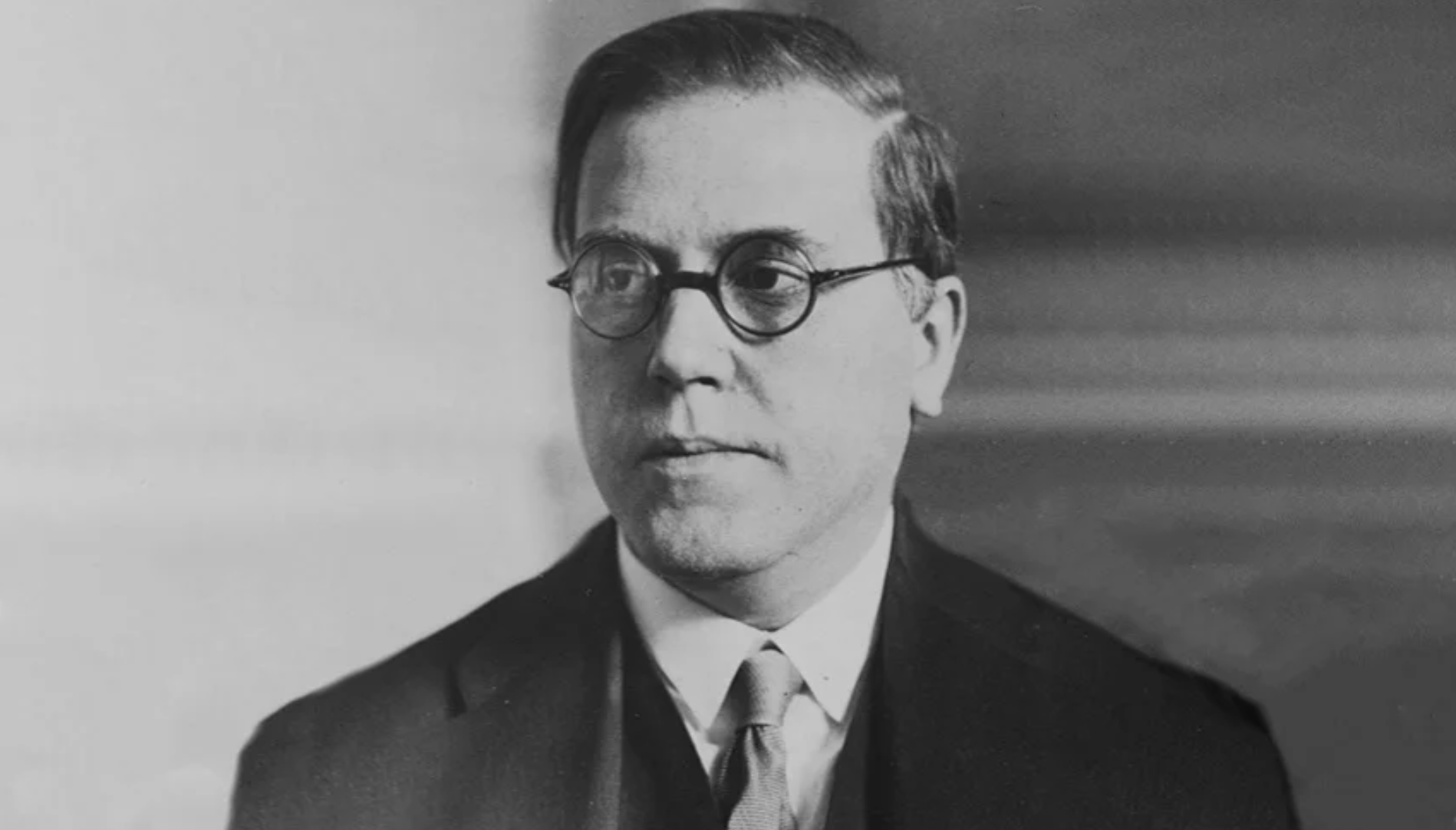
Gerald took photographs, and I will post them when he deems them ready. In the meantime, I would like to share something the great Catholic philosopher Dietrich von Hildebrand wrote about old-fashioned dances in his Aesthetics (Vol 1.):
…[L]et us think of a ball that is organized with great splendor: a festive, beautiful room, elegant evening dress, beautiful dances, good dancers, and above all the festive mood. Not every ball is a bearer of beauty; today, it is more difficult than in the past to find this aesthetic quality at a ball, because of the widespread degeneration of the dances and the general de-poeticization and austerity of life. But in earlier times, when people’s clothing was not just elegant but definitely beautiful, the special, aesthetically positive quality of the festal celebrations, of an activity dedicated to joy, could be clearly seen in the elegant parties that were held in many cities, in public or in private, before the First World War.
Now, I don’t want to claim the Edwardian splendour Von Hildebrand remembered from his youth for our dance (I feel sure his “festive, beautiful” rooms were decked with flowers), but many of our ladies and gentlemen wore “elegant evening dress”–indeed I saw a few objectively beautiful dresses, too, and our waltzing was beautiful (even if our OXO Reel was not), many of our dancers “good,” and there was certainly a festive mood. Everyone was among family and/or friends and friends-of-friends; it was Easter Friday; love was in the air.
Intriguingly Von Hildebrand (whose wife’s biography of him is entitled The Soul of a Lion) did not write of waltzing as “beautiful” but grouped it under the heading of “elegant.” In his taxonomy, the aesthetic value of “elegance” does not mean bad; it simply doesn’t transcend earthly life. (Presumably an elegant frock the Princess of Wales correctly wears to an English wedding would not “do” for heaven.) Von Hildebrand’s elegance seems to imply “fashionable,” but not the fashions of our increasingly coarse societies. As he writes:
We also find elegance in the sphere of dance, where we find one of the most important antitheses between elegance and inelegance. In the dances of earlier dances, such as the minuet, beauty and grace played the principal role. But in the waltz, the polka, the mazurka, and all the more in dances such as the foxtrot and the tango, the specific aesthetic value quality which is involved is elegance. In these dances, the good dancers are the elegant ones as opposed to the inelegant ones who dance clumsily, awkwardly, uncertainly, or without verve and élan. Good dancing also entails a special sensitivity to rhythm, which plays a central role in the realm of the dance. The more the dancer is imbued with rhythm, the more elegant is his dance.
What interests me most here is that the waltz, the polka, and the mazurka were all very popular before the First World War, and therefore were part of those “elegant” parties he eulogises earlier in his work.
Meanwhile, I am reminded of my brother and Marcjanna rehearsing together in the minute McLean sitting room as I washed dust off wine glasses and occasionally hissed “Slow down!” The perfect waltz tempo for the MMWP is still about 85 beats per minute (bpm), which suits Nino Rota’s “Vito’s Waltz” (from The Godfather) perfectly, but Chopin’s “Waltz in E Minor” (Opus 150)– perhaps the only Chopin waltz one can actually dance to–is generally at 100 bpm. Also Chopin has a lot of rubato, which is quite confusing for social dancers, whose elegance relies on a constant, even One-Two-Three.
“It goes without saying that barn dances, country dances, etc., are not elegant,” Von Hildebrand continues. The most he grants them is “rustic charm,” which I think we can claim for last night’s Canadian Barn Dance, if not the OXO Reel. But that’s enough about Von H from me, for I started reading Aesthetics from the index, and I haven’t yet worked out exactly how beauty differs from elegance.
Leave a Reply