
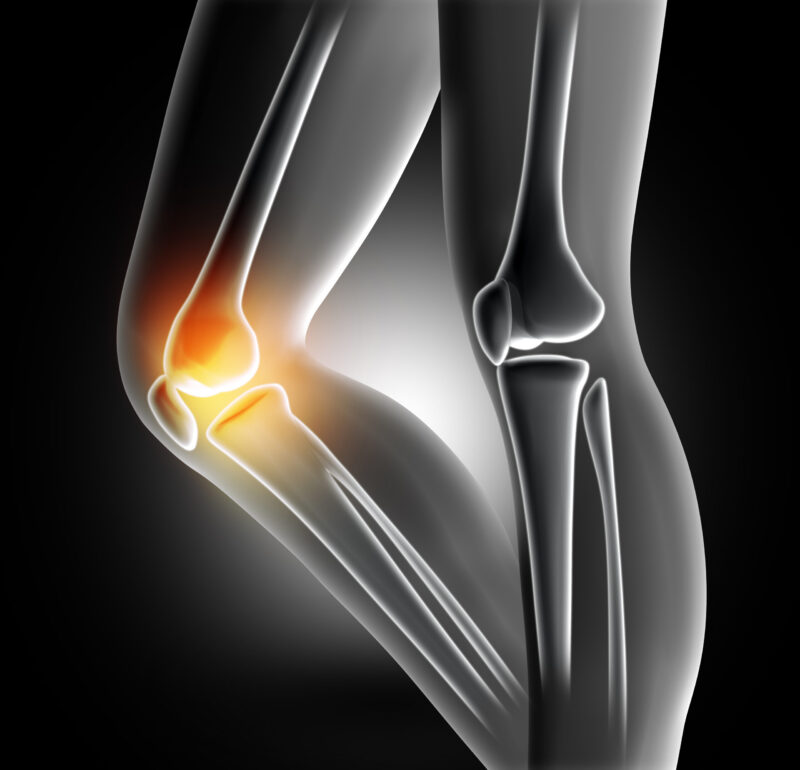
On Tuesday I found myself admiring an X-ray of my right knee. I apparently have a frayed meniscus (fibrocartilage in knees that acts as a shock absorber), but my leg bones themselves look mighty solid. Perhaps it is from eating lots of salmon, yogurt and broccoli. But I like to think it’s because I have lifted weights (on and off) since I was 25.
The “off” part of “on and off” has become a problem, I see. The difficulty with living past 40 is that your body begins to hurt if you don’t get enough exercise. Injuries from your twenties have a way of making themselves felt in later life. (And this is where I tell you I’m not a doctor and reading what I write should not be taken as a substitute for consulting your GP.)
For example, I got “overuse syndrome” in my right elbow in my 20s, and it gets exacerbated by typing. I type for a living, so when I got a nasty flare-up in my forties, I listened to the physiotherapist who told me to build up my forearms, muscles I had always neglected in my training. And now, as long as I keep beefing up my forearms, my elbows are fine.
New injuries can result from neglecting muscles. Once upon a time in Canada, I worked out my lower back muscles, carefully and thoroughly, like the good athlete I was. However, I got out of the habit in the UK, and then some time before COVID somehow gave myself a grumbling backache far down on the right. (Why is it always the right?)
And then, of course, I hurt my knee last June while gardening and made it significantly worse the next day when, in a dance class, I suddenly twisted it. It has hurt on-and-off ever since—and I suddenly realise that this line of conversation is why young people so often find old people boring.
Well, never mind! Consider it a dire warning and evidence that you should go to the gym from the ages of 18 to 88 (with permission of your GP, see caveat above), so as to protect yourself from the ravages of aging and injuries from those high-impact sports like gardening and dancing.
Although ballroom dancing is highly recommended as a low-impact sport, professional dancers–pursuing an elusive perfection–notoriously get hurt a lot .Have a look at this:
For amateurs, this should serve as a reminder to take it easy and not “perform hundreds of jumps” or hundreds of anything else in a dance class. Moreover, dance teachers should be careful to ensure that nobody gets injured. This includes leading warm-ups, reminding dancers about floor craft, and adjusting expectations for the space available. If anyone falls down, someone has failed.
Regarding my right knee, three out of three professionals—massage therapist, GP and osteopathic doctor—have all told me to go to the gym and strengthen my leg muscles. The specialist also told me not to dance or hike for six weeks, and to use an exercise bike and rowing machine instead. Nobody is interested in writing me a prescription for exciting pain drugs, alas.
I thought a lot about why it is that I have been avoiding the gym, and it’s mostly the music. Am I the only person in my club who finds obscenity-laden paens to sex, violence and luxury goods offensive? Perhaps I am. To solve that problem, I have invested £90 in Blue Tooth headphones and bought an audiobook.
I have also set myself a Six Week Challenge. This means putting my workouts right after Mr McLean in my daily priorities. Six days out of seven, I will limp to the gym and do everything the Medical Triad has told me to do. Then we will see if my knee has stopped hurting. And even if it hasn’t, at least I will have stronger legs.